Marble has been used in homes, temples and monuments for centuries, and it is still one of the most popular natural stones for floors, walls and bathrooms. But not all marble looks the same. Colour, veins and origin vary a lot, so knowing the main types of marble helps you choose the right stone for your home.
What Is Marble?
Marble is a metamorphic rock. It forms when limestone is put under heat and pressure deep underground for a very long time. Pure marble is mostly calcite and looks white. Other minerals mixed in during formation create the colours and veins: iron gives warm yellow, red or brown tones, while other minerals add grey, green or black markings. Because it is natural, no two slabs are exactly alike, even from the same block.
How Are Different Types of Marble Classified?
There is no single system. Marble is usually named and grouped by:
- Origin: the quarry or region (Italy, Spain, Greece, Turkey, India)
- Base colour: white, beige, grey, black, green, brown or pink
- Veining: soft and fine, or bold and dramatic
- Trade name: such as Carrara or Statuario
Popular Types of Marble at a Glance
- Carrara (Italy): white to light grey with soft, fine grey veins. Calm and versatile for floors, bathrooms and vanities.
- Calacatta (Italy): light background with bold grey or gold veins. Best for feature walls and statement bathrooms.
- Statuario (Italy): bright white with striking grey veins. A premium choice for luxury floors and walls.
- Emperador (Spain): rich brown with lighter veins. Warm and cosy, works well with wood and brass.
- Nero Marquina (Spain): deep black with white veins. Used in small doses for contrast, like a feature wall or tabletop.
- Crema Marfil (Spain): soft cream to beige. Neutral and easy to match, good for large floor areas.
- Botticino (Italy): warm beige with subtle markings. A classic, low-key option.
- Travertine: often grouped with marble; beige tones with natural pores, usually filled for floors.
- Green, grey, pink and brown marbles: colour-led stones for accent walls and bathrooms.
- Onyx and exotic stones: translucent or very bold patterns, often backlit, mainly for feature pieces.
- Indian marble: Makrana white, Ambaji, Udaipur green and Katni are widely used and usually cost less than imported stone.
Italian Marble vs Indian Marble
Italian marble is known for its whiteness, fine veins and high polish, and it costs more. Indian marble offers good quality at a lower price and is easier to source in bulk. For large flats, many buyers use Indian marble for most floors and Italian marble only in the living room or as a feature wall.
Marble Finishes
The same stone looks different with each finish. Polished is glossy and shows colour best. Honed is matte and less slippery, good for bathrooms. Leathered or brushed finishes add texture and hide marks better.
How to Choose the Right Type of Marble
- Room use: choose honed marble for bathrooms and busy floors.
- Kitchens: marble can stain from lemon, vinegar or oil; seal it well, or use granite or quartz for heavy cooking areas.
- See the actual slabs: photos and samples never show the full pattern.
- Budget: include wastage, polishing and laying costs, not just the price per sq ft.
Caring for Marble
Wipe spills quickly, clean with a pH-neutral cleaner, avoid acid-based products, and reseal every one to two years. With basic care, marble floors last for decades.
Whichever of these types of marble you choose, the stone will be unique to your home, since every slab carries its own natural pattern.
About the author
Classic Marble Company (CMC) is an Indian natural stone and surface company with three decades of experience in the marble industry. Its portfolio brings together an extensive selection of natural marble and other architectural stones sourced from around the world, serving architects, designers and projects across a wide range of applications. Explore natural stone collections, design inspiration and more at the Classic Marble Company website. Website: https://classicmarble.com/
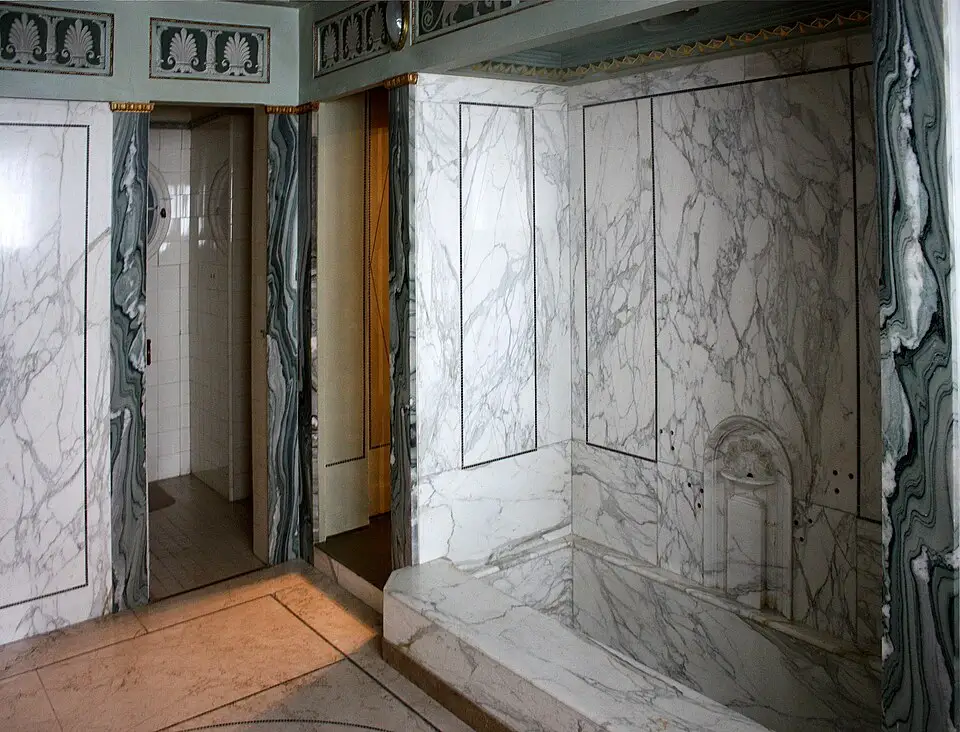
Image: Photo: Dguendel, Wikimedia Commons, CC BY 4.0.